You break the huddle. You’ve got 20 seconds on the play clock. You look across the line of scrimmage, and instead of the 11-man look you see on TV every Sunday, there are 12 bodies moving around.
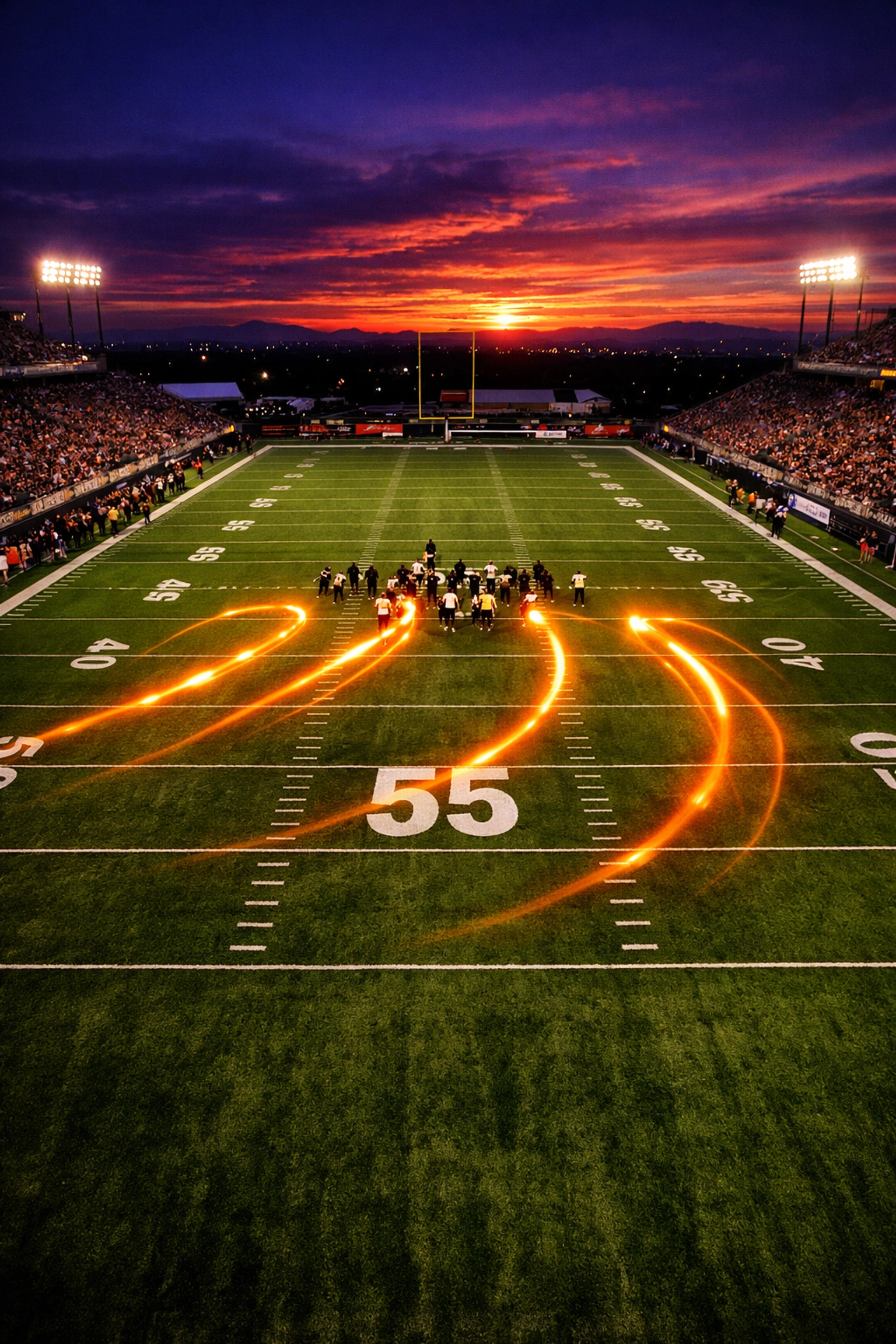
Two slotbacks are in full-speed motion: the "Waggle": coming right at the line. The safeties are rotating. The halfbacks are showing press, then dropping.
For most young quarterbacks, this is where the panic sets in.
If you want to know how to be a better quarterback, you have to realize that the physical side of the game: the big arm and the fast 40-yard dash: is only half the battle. In the Canadian 12-man game, the "Processing Speed" of your brain is the ultimate equalizer.
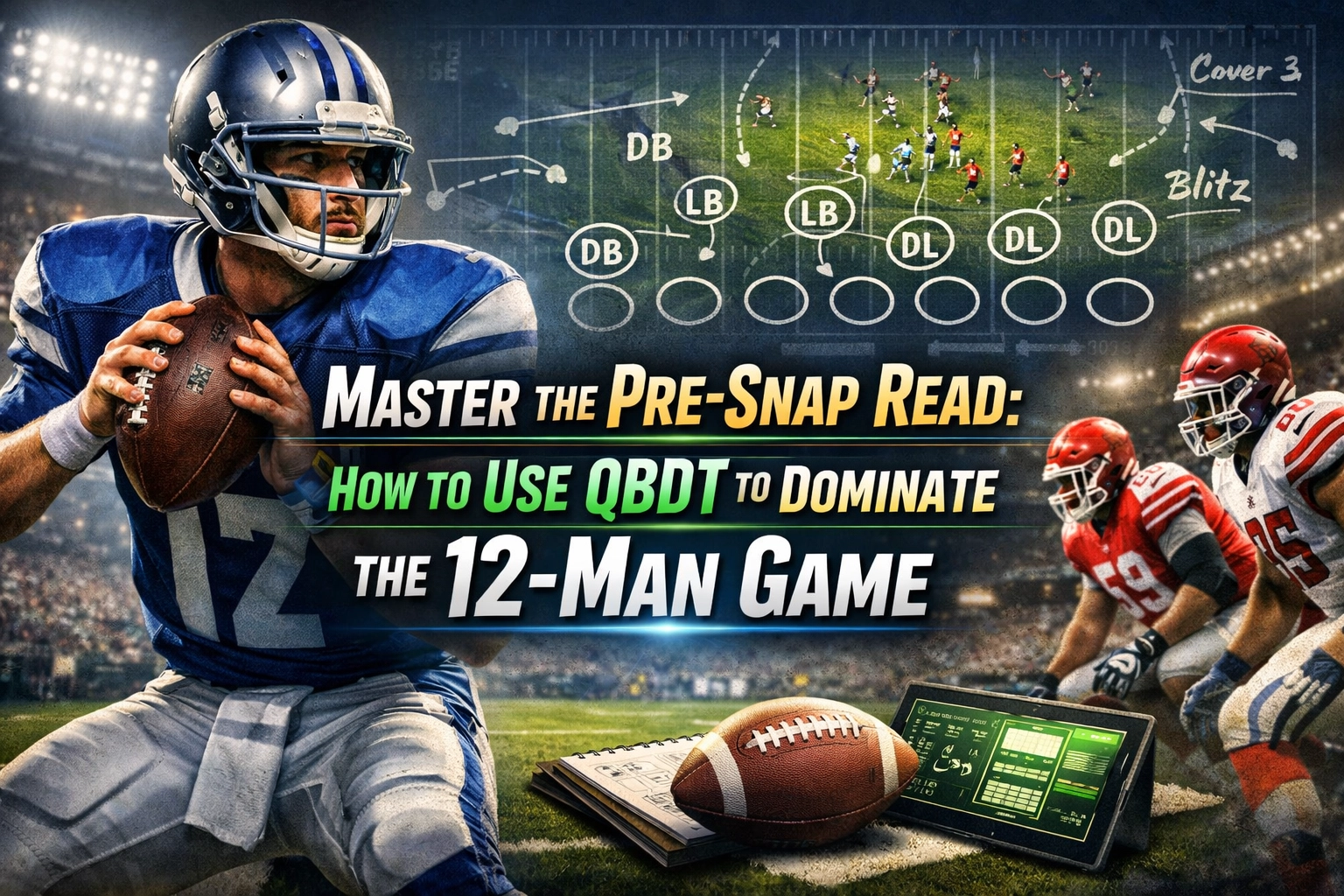
At Capital QBs, we’ve seen elite athletes struggle because they can't "see" the field fast enough. That’s why we integrated QBDT (Quarterback Decision Training) into our curriculum. It’s not just a tool; it’s a mental gym designed to help you dominate the pre-snap read before the ball ever touches your hands.
The Processing Gap: Why Mechanics Aren't Enough
Many players invest thousands of dollars in quarterback training focused solely on throwing mechanics. They spend hours perfecting the flick of the wrist or the lead step.
Don't get me wrong: mechanics matter. But if you have a pro-level arm and a high-school-level "processor," you’re going to throw a lot of beautiful passes… straight to the opposing team's free safety.
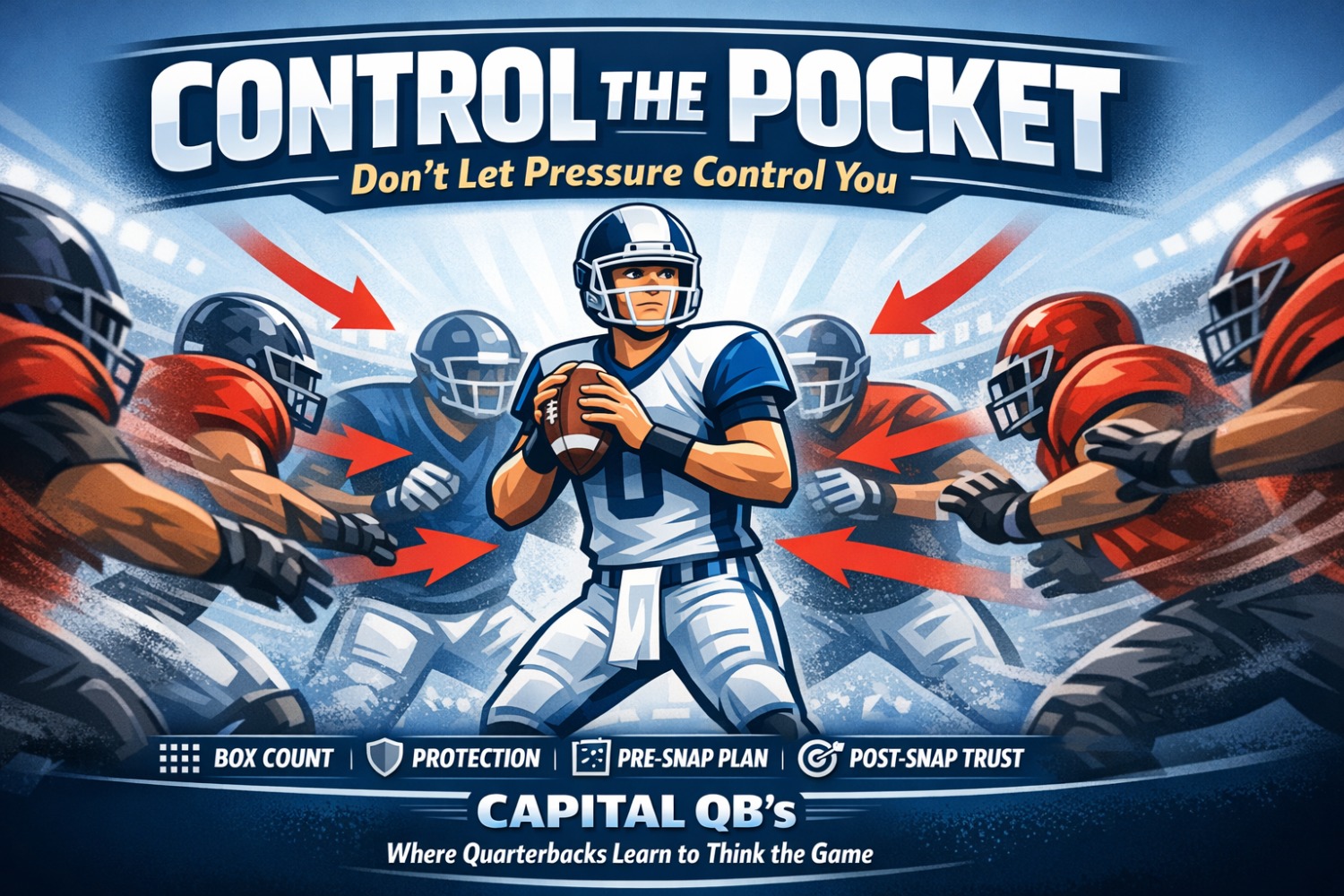
The Symptom: You feel rushed in the pocket. You "see" a receiver open, but by the time you throw, the window is closed.
The Diagnosis: You aren't processing the pre-snap cues. You’re playing reactive football instead of predictive football.
What is QBDT? (Your Mental Edge)
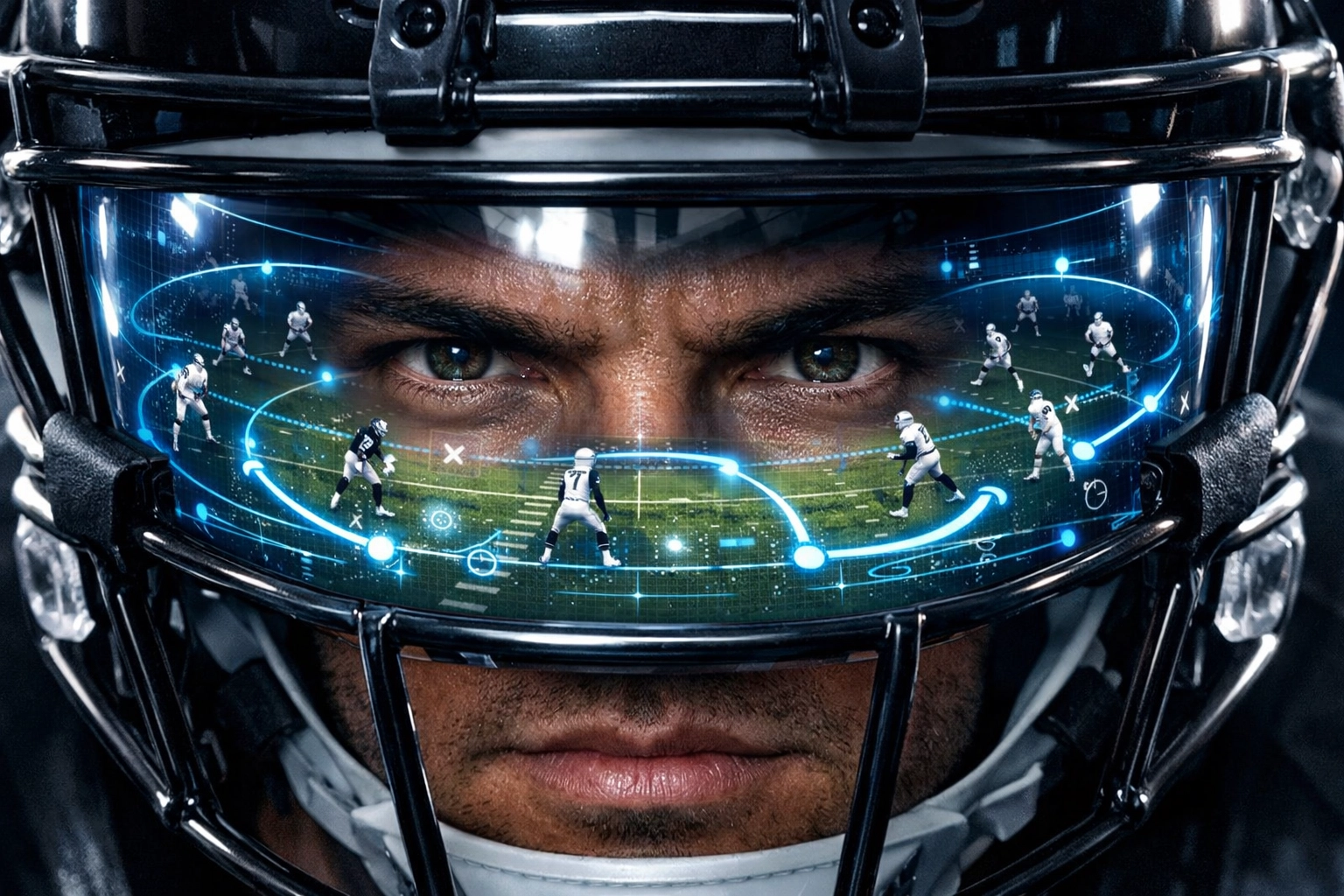
QBDT is an elite pre-snap read training platform that bridges the gap between the classroom and the field. Think of it as a flight simulator for quarterbacks.
Most film study is passive. You sit in a chair, watch a play, and a coach tells you what happened. QBDT is active. It forces you to make real-time decisions, analyze coverages, and react to defensive rotations at game speed.
Specifically designed for the Canadian 12-man game, QBDT accounts for the complexities that "American-style" training tools miss. We’re talking about CFL-style coverage recognition, extra defensive backs, and the constant motion that defines our game in the north.
Key Features of the QBDT Platform:
- Real-Time Decision-Making: You don't have all day. The software tracks how fast you identify the open man.
- Coverage Analysis: Master the ability to distinguish between Cover 2, Cover 3, and specialized man-match schemes.
- Advanced Analytics: Every rep is tracked. You get hard data on your accuracy and your "Time to Throw."
- 12-Man Focus: The only platform that truly prepares you for the wider field and the extra player in the secondary.
Mastering the Canadian 12-Man Game
The 12th man changes everything. In a standard 11-man set, you generally deal with two safeties and two corners. In our game, that extra body in the secondary creates "clutter."
If you don't have a system to filter that clutter, you’ll hesitate. And in football, hesitation is a turnover waiting to happen.
The QBDT Approach to Coverage Recognition:
- Identify the Safeties: Is it a "Closed" or "Open" middle of the field?
- Read the Apex: Where is the extra 12th man? Is he lurking in the flat or dropping deep?
- Account for the Waggle: How does the receiver's motion affect the defensive rotation?
By using the QBDT training software, you train your eyes to find these keys instantly. By the time you get to our QB training in Ottawa, the mental part is muscle memory.
✓ Pro Tip: Don't look at the whole defense. Pick "Key Indicators." Usually, the alignment of the boundary halfback and the depth of the free safety will tell you 80% of what you need to know.
The "Why" Before the "How"
Why does cognitive training work? It comes down to Neural Pathways.
When you first learn to drive a car, you have to think about everything: the blinker, the brake, the mirrors. It’s exhausting. After a year, you do it without thinking.
QBDT does the same for coverage shells. By seeing 500+ reps of Cover 3 on the software, your brain stops "thinking" and starts "recognizing." This frees up your conscious mind to focus on the pass rush and your pocket movement.
When Within Capacity vs. Under Overload
- Within Capacity (Trained with QBDT): Eyes are downfield, feet are calm, decision is made before the backfoot hits the ground.
- Under Overload (Untrained): Eyes drop to the pass rush, feet become "heavy," ball is held too long.
⚠️ Warning: If you are only training your arm, you are only training half of your game. The best quarterbacks in the world are the best because they are the smartest players on the field.
How to Integrate QBDT into Your Routine
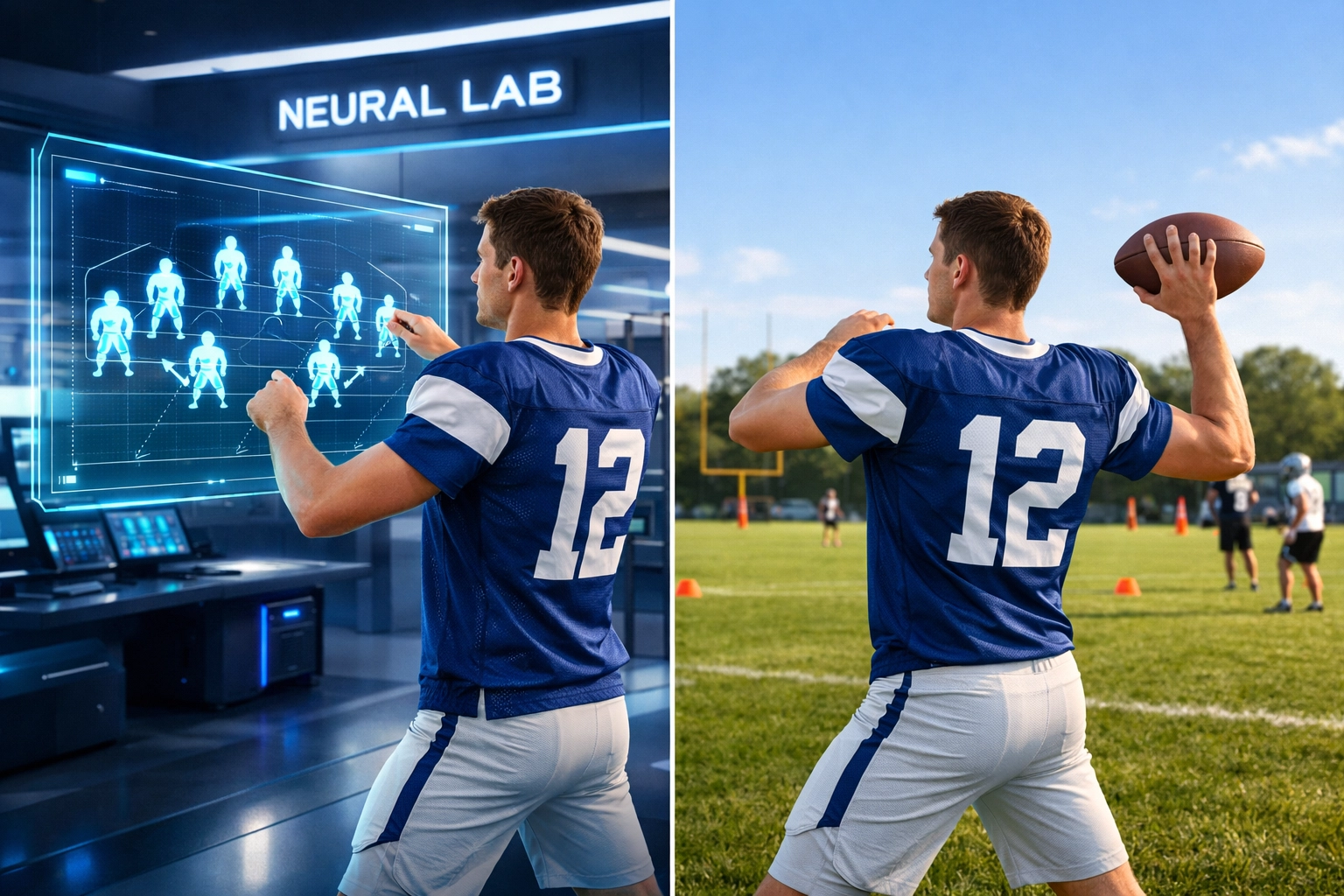
We recommend a "Hybrid" approach to development. This is exactly what we preach at our quarterback academy.
- The Lab (QBDT): Spend 15-20 minutes a day on the software. This is where you build your mental database.
- The Field (On-Field Sessions): Take what you saw in the software and apply it against live defenders. This is where you work on the "How": the mechanics and the timing.
- The Review (Analytics): Look at your QBDT stats. Are you consistently late on "Out" routes? Are you misidentifying "Man" coverage? Fix the trend in the lab, then take it back to the field.
This cycle is the fastest way to see improvement. It’s why our athletes consistently outperform their peers when camp season rolls around.
Take the Next Step: Spring Training and Beyond
Are you ready to stop guessing and start knowing?
Knowledge is power, but applied knowledge is a touchdown. If you want to see how this all comes together, there is no better place than our upcoming Capital QB Spring Quarterback Training.
We combine the high-tech mental training of QBDT with the high-intensity physical coaching of the Capital QBs staff. Whether you are a youth player just starting out or a high school senior looking to play at the next level, our system is designed to scale with you.
Why Join Capital QBs this Spring?
- Expert Coaching: Led by Ron Raymond and the top QB coaches in the region.
- Integrated Tech: Use tools like QBDT to see your game from a new perspective.
- Competitive Environment: Compete against the best talent in Ottawa.
- Parental Support: We don't just coach the player; we help the family. Check out our QB Parents Guide for more info on how you can support your athlete’s journey.
The Bottom Line
The 12-man game is a chess match at 100 miles per hour. If you’re still trying to figure out the defense after the ball is snapped, you’re already too late.
Using QBDT allows you to "slow the game down." It gives you the confidence to stand in the pocket, look the safety off, and deliver a strike because you know where the opening is going to be.
Don't just play the position. Master it.
Ready to get started?
Visit the QBDT portal to start your subscription and begin your mental training today. Then, head over to our registration page to secure your spot for the Spring session.
The field is wider, the game is faster, and the 12th man is waiting. Let's make sure you're ready for him. 🏈